2026 How to Choose the Right Hdpe Geomembrane for Your Project?
Choosing the right HDPE geomembrane for your project is crucial. These materials are critical in various applications, from landfill liners to water containment. With numerous options available, decision-making can be overwhelming.
HDPE geomembranes offer exceptional resistance to chemicals and UV light. They provide durability and flexibility, making them suitable for demanding environments. However, selecting the wrong type can lead to significant issues. Evaluating specific project requirements is essential. This process involves assessing soil characteristics, water conditions, and environmental factors.
Industry expertise plays a significant role in making the best choice. Consulting with professionals can provide necessary insights. Additionally, understanding the various thicknesses and manufacturing processes helps in selecting the appropriate HDPE geomembrane. Ensure that the supplier maintains high-quality standards. This precaution safeguards against future complications. Remember, a poorly chosen geomembrane can compromise the integrity of your project. Thus, careful consideration of all aspects is important.

Understanding HDPE Geomembrane: Definition and Key Characteristics
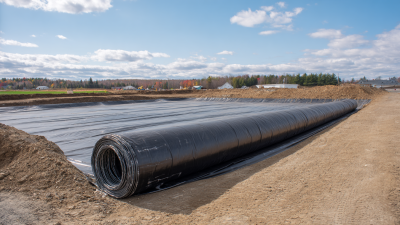
HDPE geomembranes are crucial in various projects, particularly for containment and environmental protection. These high-density polyethylene membranes are known for their durability and resistance to chemical exposure. They provide an effective barrier against liquids and gases, making them ideal for landfills, ponds, and industrial applications.
One key characteristic of HDPE geomembranes is their flexibility. This allows them to adapt to different surfaces and maintain integrity under varying temperatures. Additionally, their UV resistance prolongs the lifespan of the material, making it suitable for outdoor applications where sunlight exposure is inevitable. However, while they offer many advantages, selecting the right thickness and texture can be challenging. Often, project managers must weigh factors such as environmental conditions and the type of material to be contained.
Moreover, understanding the installation process is essential. It’s important to realize that improper installation can lead to significant failures, despite the geomembrane's quality. Every project presents unique challenges that require careful consideration of site-specific factors. A thorough assessment is crucial along with a plan for potential risks. Making informed decisions will lead to better outcomes in your projects.
2026 How to Choose the Right Hdpe Geomembrane for Your Project?
| Property |
Description |
Importance in Project |
| Thickness |
HDPE geomembranes come in various thicknesses (e.g., 0.5 mm to 3.0 mm). |
Thicker membranes offer better puncture resistance and durability. |
| Pilot Scale Testing |
Prior to deployment, perform tests to confirm material performance. |
Testing ensures suitability for specific environmental conditions. |
| Chemical Compatibility |
HDPE geomembranes are resistant to many chemicals but not all. |
Understanding compatibility prevents premature failure of the membrane. |
| UV Resistance |
HDPE materials have good UV resistance. |
Vital for outdoor applications to maintain integrity over time. |
| Welding Type |
Common welding methods include extrusion and thermal fusion. |
Proper welding ensures effective installation and leak prevention. |
| Environmental Considerations |
Evaluate local environmental conditions and regulations. |
Ensures compliance and optimizes lifespan and performance. |
Factors to Consider When Selecting HDPE Geomembranes for Projects
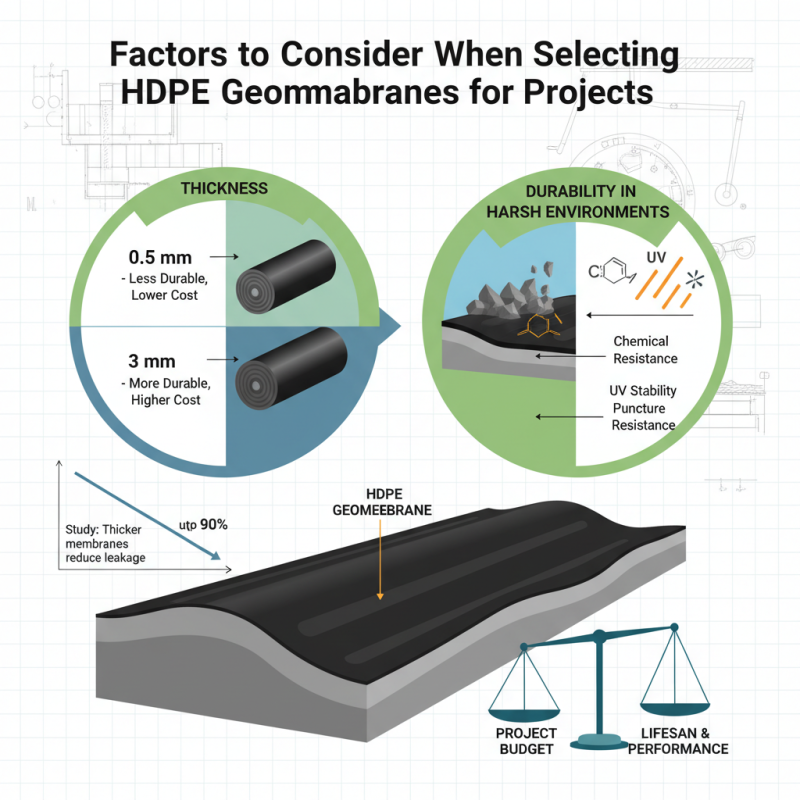
Selecting the right HDPE geomembrane is crucial for any project. Several factors play a vital role in this decision-making process. One key factor is the thickness of the geomembrane, which typically ranges from 0.5 mm to 3 mm. Thicker membranes often offer increased durability, especially in harsh environments. However, they can also be more expensive. A study from the Geosynthetics Institute suggests that thicker membranes can reduce leakage rates by up to 90%, emphasizing the importance of choosing the right thickness.
Another factor to consider is the environmental conditions at the project site. UV exposure, temperature extremes, and chemical contact can all impact the performance of geomembranes. For instance, project sites with high UV exposure may require geomembranes with UV-resistant properties. A report from the Environmental Protection Agency states that improper selection can lead to failures or significant maintenance issues, costing projects in both time and money.
Finally, understanding project-specific requirements is vital. Whether it’s for landfill liners, water reservoirs, or mining applications, each use case has unique needs. Not all geomembranes will perform equally across different conditions. Failing to account for these nuances could lead to project risks. Engaging experts in the field can provide valuable insights and help ensure the right selection is made.
Different Applications of HDPE Geomembranes in Various Industries
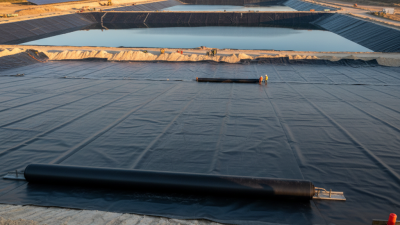
HDPE geomembranes are crucial in numerous industries. Their applications vary widely, impacting water management, mining, and landfill operations. In waterproofing, HDPE membranes coat ponds and canals. They prevent leaks, ensuring environmental safety.
In mining, they control hazardous waste and secure valuable resources.
Tips: Always assess the site's specific needs first. Different applications may require varying thicknesses and strengths. Understanding these factors is vital.
Landfills also greatly benefit from HDPE geomembranes. They contain leachate and prevent contaminants from entering the soil. This is essential for protecting nearby water sources. Choosing the right geomembrane involves considering the specific conditions of each project. Consultation with experts can clarify these parameters.
Tips: Don't overlook installation quality. Poor installation can lead to failures. Always ensure the geomembrane is suitable for the intended application to enhance longevity and performance.
Evaluating Quality Standards and Certifications for HDPE Geomembranes
When selecting HDPE geomembranes, quality standards are crucial. They define the performance and durability of the material. A reputable geomembrane should meet specific certifications, ensuring it withstands environmental challenges. Certification marks often indicate compliance with industry benchmarks, including impact resistance and UV stability. These certifications help gauge the reliability of the product.
It can be challenging to navigate the various standards available. Some projects may prioritize certain metrics over others. For example, a construction site might focus on puncture resistance, while a landfill project needs excellent impermeability. Evaluating the most relevant standards for your application is essential. Don’t overlook the importance of third-party tests to validate claims made by manufacturers.
Consider the supplier’s credibility. A well-established provider will have undergone rigorous testing processes. However, not all certifications hold equal weight. Check if the certifications are recognized in your region and industry. Engaging with experts in the field can offer valuable insights. Understanding these parameters can prevent costly mistakes down the line.
HDPE Geomembrane Quality Standards Evaluation
Installation Techniques and Best Practices for HDPE Geomembranes
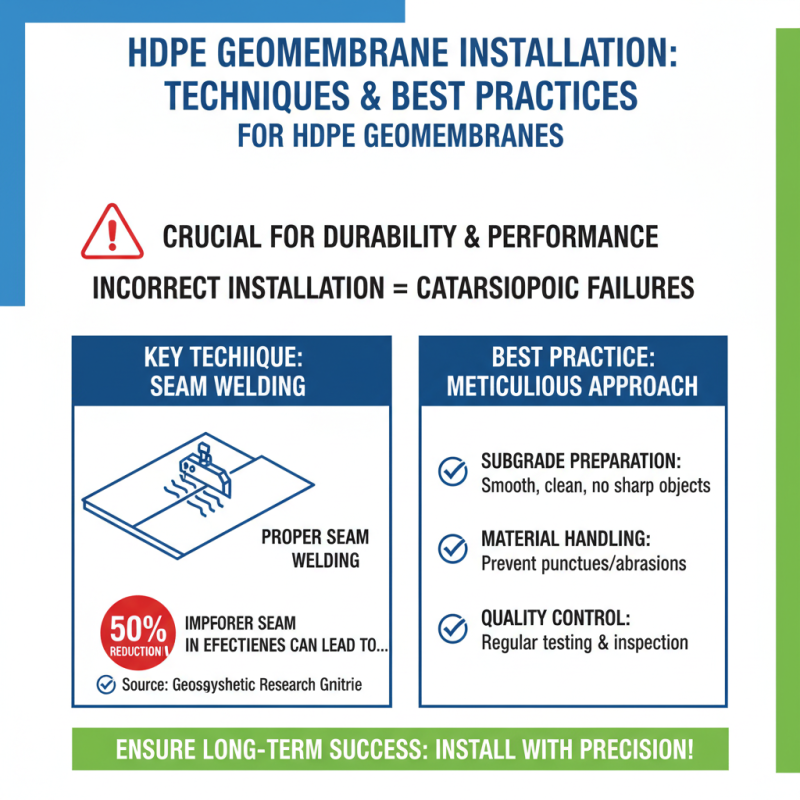
When installing HDPE geomembranes, proper technique is crucial to ensure durability and performance. Research indicates that incorrect installation can lead to catastrophic failures. For instance, the Geosynthetic Research Institute highlights that improper seam welding may reduce the geomembrane's effectiveness by up to 50%. Thus, a meticulous approach to installation is essential.
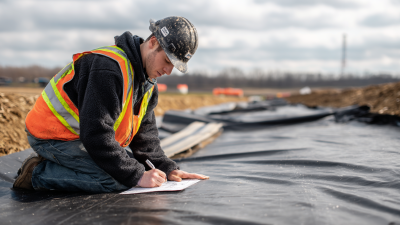
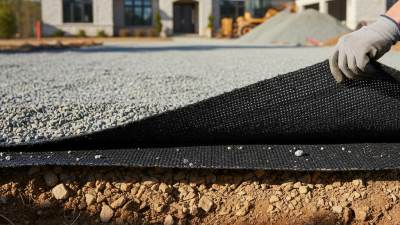
One best practice involves the pre-installation inspection of the subgrade. The subgrade must be free of debris, sharp objects, or irregularities. This can significantly affect the geomembrane's lifespan. Studies show that preparing a smooth, well-compacted surface can increase the lifespan of a geomembrane by an additional 10-15 years. Furthermore, ensuring that the welds are performed under optimal temperature conditions enhances the overall integrity of the installation.
The importance of environmental conditions during installation cannot be overstated. Temperature fluctuations can impact the material properties of HDPE. A report from the International Society of Soil Mechanics suggests that installing HDPE geomembranes in temperatures below 32°F can lead to brittleness, risking stress fractures. Practitioners should remain aware of these conditions, as failing to adapt can compromise the entire project.